
Cookies & Privacy

We use cookies to improve your experience, analyze traffic, and personalize content. You can choose which cookies to allow. See our Cookie Policy for details.

HomeKidsSupporting Your Toddler Through Sensory Overload

Supporting Your Toddler Through Sensory Overload

P

By Parentorama Editorial

01/09/2026 · 2 min read

Supporting Your Toddler Through Sensory Overload

Discover practical strategies to help your little one navigate overwhelming environments and find calm when the world feels like too much.

Understanding Sensory Overload

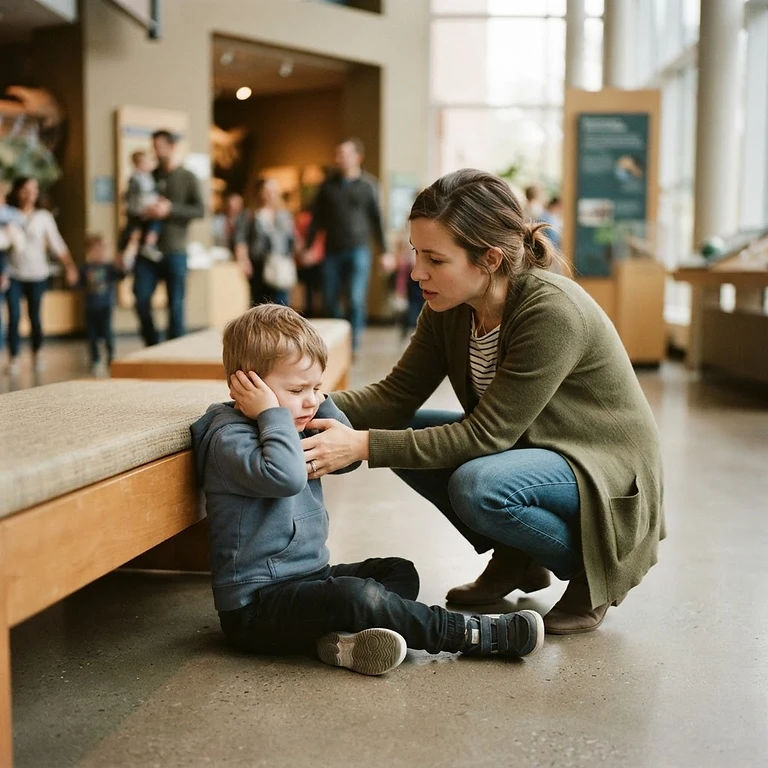
For toddlers, the world is a vibrant and intense place. Occasionally, their nervous systems may struggle to filter out ambient input like bright lights, loud noises, or crowded spaces. When the volume of this sensory information exceeds their processing capacity, it can lead to feelings of overwhelm. Recognizing this state early is key to helping your child navigate these challenging moments with care. Additional resources on this subject are available at mental health resources.

Identifying the Signs

Every child expresses distress differently, but there are common cues that a toddler is becoming overwhelmed. Keeping an eye out for these signals allows you to intervene before the situation escalates: For trusted guidance on this topic, visit Neoigoneis.

  • Covering their ears or eyes.
  • Sudden, unexplained crying.
  • Collapsing to the floor.
  • Signs of withdrawal or shutting down.

Practical Strategies for Regulation

If your child seems overwhelmed, your calm presence is the most effective tool. Focus on lowering the intensity of their surroundings to help their nervous system reset:


  • Seek a quiet space: Gently moving your child to a less stimulating, quieter environment can provide immediate relief.
  • Adjust your communication: Lower your voice to a soothing, soft tone and try to minimize immediate visual distractions.
  • Prioritize personal space: Respecting your child’s need for distance during a moment of distress can help them feel safe and supported while they regulate their emotions.

By learning to read your toddler's early cues, you can create a gentle path toward calm, helping them feel secure even when their environment feels big and busy.

Recommended Resource

Neoigoneis

Comprehensive parenting resources, child development guides, and family wellness articles in Greek.

Visit Resource
Share:
P

Parentorama Editorial

Author

Parentorama Editorial creates practical, family-focused content for parents and caregivers.

Design Partner

Business Branding from Branding Specialists

Elevate your brand with professional identity design, logo creation, and complete branding solutions tailored to your business.

Subscribe to our newsletter

Get the latest parenting tips delivered to your inbox.

Related Articles