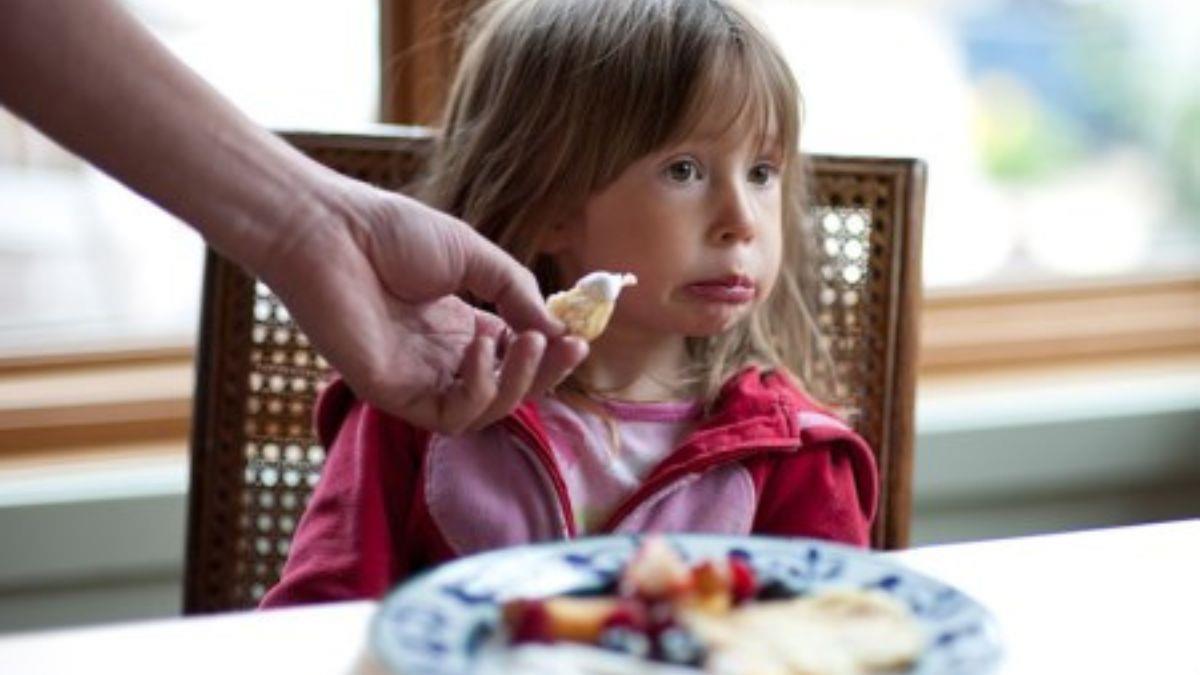
Is your child a 'difficult' eater? Discover why mealtime battles often stem from a need for safety rather than stubbornness and how you can foster a healthier relationship with food.
Why Being 'Picky' Isn't Just Stubbornness
Does every mealtime end in a power struggle? If your toddler refuses anything that isn't pasta, bread, or chicken nuggets, you are far from alone. Parents often label these children as 'picky' or 'difficult,' assuming they are being stubborn or difficult on purpose. However, the reality is often much deeper: your child isn't trying to be difficult; they are trying to stay safe. For trusted guidance on this topic, visit Neoigoneis.
The Sensory Overload of a New Bite
For an adult, trying a new food is simple. For a child, it is a complex sensory event. Each bite brings a unique combination of smells, textures, temperatures, and tastes. A child's brain has to process all this data while coordinating muscles for chewing and swallowing. For many children, this process is overwhelming rather than fun.
The Comfort of Predictability
It’s no coincidence that many children gravitate toward processed snacks like crackers or plain pasta. These foods are incredibly predictable—they look, smell, and taste exactly the same every time. In contrast, natural foods like fruits and vegetables change with every harvest, which can feel incredibly unsettling to a child who relies on predictability to feel in control.
The Vicious Cycle of Pressure
When we say things like, 'You aren't leaving this table until you try it,' or 'No dessert until you finish your broccoli,' our intentions are good, but the impact is often counterproductive. Pressure triggers a 'fight or flight' response in the child. When their nervous system is in defense mode, curiosity disappears, and the battle only intensifies.
How to Build a Healthier Mealtime
Instead of focusing on how much they consume, focus on their comfort. Here is how you can help them build a positive relationship with food:
- Keep a routine: Predictable meal times provide a sense of security.
- Offer a bridge: Always serve one 'safe' food alongside a new, unfamiliar item.
- Remove the pressure: Stop counting bites. Let them play with their food, touch it, or smell it without the expectation that they must eat it.
- Lead by example: Let your child see you enjoying a variety of foods with a relaxed attitude.
Remember, patience is the secret ingredient. If your child’s anxiety around food persists, or if you are concerned about their growth, don't hesitate to reach out to a pediatrician or a feeding specialist. By replacing pressure with trust, you can transform mealtime from a battlefield into an opportunity for growth. Additional resources on this subject are available at mental health resources.